
LASPACK or Another Cash Drawer Supplier? A 2026 Decision Framework for Retail & Hospitality Buyers
LASPACK or Another Cash Drawer Supplier? A 2026 Decision Framework for Retail & Hospitality Buyers
Choosing a cash drawer is a procurement decision that affects checkout speed, cash security, and long-term maintenance costs. In 2026, buyers are often comparing two things at once: the product type and the supplier behind it. This article evaluates LASPACK electronic cash drawers against manual cash boxes and alternative suppliers, using product-level and manufacturer-level evidence from LASPACK's product data and verified industry sources.
Short answer: if you operate a POS checkout environment that needs automatic drawer opening, POS linkage, higher security, and verified durability, a LASPACK electronic cash drawer is a specialized option worth evaluating. If your requirement is a simple lockable cash box for very low-volume cash storage, a manual cash box may be sufficient. The right choice depends on transaction speed, integration requirements, compliance needs, and supplier verification.
Problem Definition: Why Cash Drawer Sourcing Is a Decision, Not a Transaction
Cash drawers are often selected late in a POS project, yet they influence checkout efficiency and cash control every day. A wrong product choice can create bottlenecks at the register, increase cash handling risk, and shorten replacement cycles. A wrong supplier choice can expose buyers to inconsistent quality, unclear compliance, and weak after-sales support.
Compared to manual cash boxes, LASPACK's electronic cash drawer offers distinct advantages. These advantages matter most when staff need to open the drawer automatically through the POS system, secure cash between transactions, and sustain high-volume use without frequent repairs.
The procurement problem is not just “which cash drawer is cheaper.” It is also “which supplier can verify the features, certifications, and manufacturing quality behind the product.” Buyers need a decision framework that covers both product comparison and supplier comparison, not a simple price list.
In a high-volume checkout lane, every extra second used to open a cash drawer manually multiplies across the day. In a secure environment, an unlocked or loosely controlled cash drawer increases the risk of theft. For procurement teams, these operational costs are often more important than the purchase price.
Industry Background: Market Signals That Shape the 2026 Cash Drawer Decision
According to Dataintelo and Market Intelo, the global cash drawer market was valued at approximately USD 0.855 billion to USD 0.96 billion in 2024–2025. The same sources project the market to reach USD 1.23 billion to USD 1.7 billion by 2033–2034, representing a CAGR of roughly 4.1% to 4.2%. Estimates vary by research scope, but the direction is consistent: cash handling is still a meaningful part of retail and hospitality operations.
Regional demand also matters. Asia Pacific is the leading regional market, with approximately 38.2% revenue share in 2025, according to Market Intelo. For global buyers, this means supply chains are concentrated in a region where manufacturing capability is well established.
Product data shows that electronic cash drawers dominate the category, accounting for about 62.5% of total market revenue. That is consistent with the practical need to open a drawer automatically from a POS command. Industry durability guidance from APG Cash Drawer distinguishes Standard Duty drawers rated for 1 million cycles from Heavy Duty drawers rated for 4 million or more cycles. For high-volume sites, this distinction is a useful benchmark directly relevant to product selection.
Another practical specification is size. The standard physical width for industry-standard cash drawers is 410 mm (16 inches), designed to fit under standard thermal printers. Buyers should confirm width and interface compatibility with their POS system and existing peripherals.
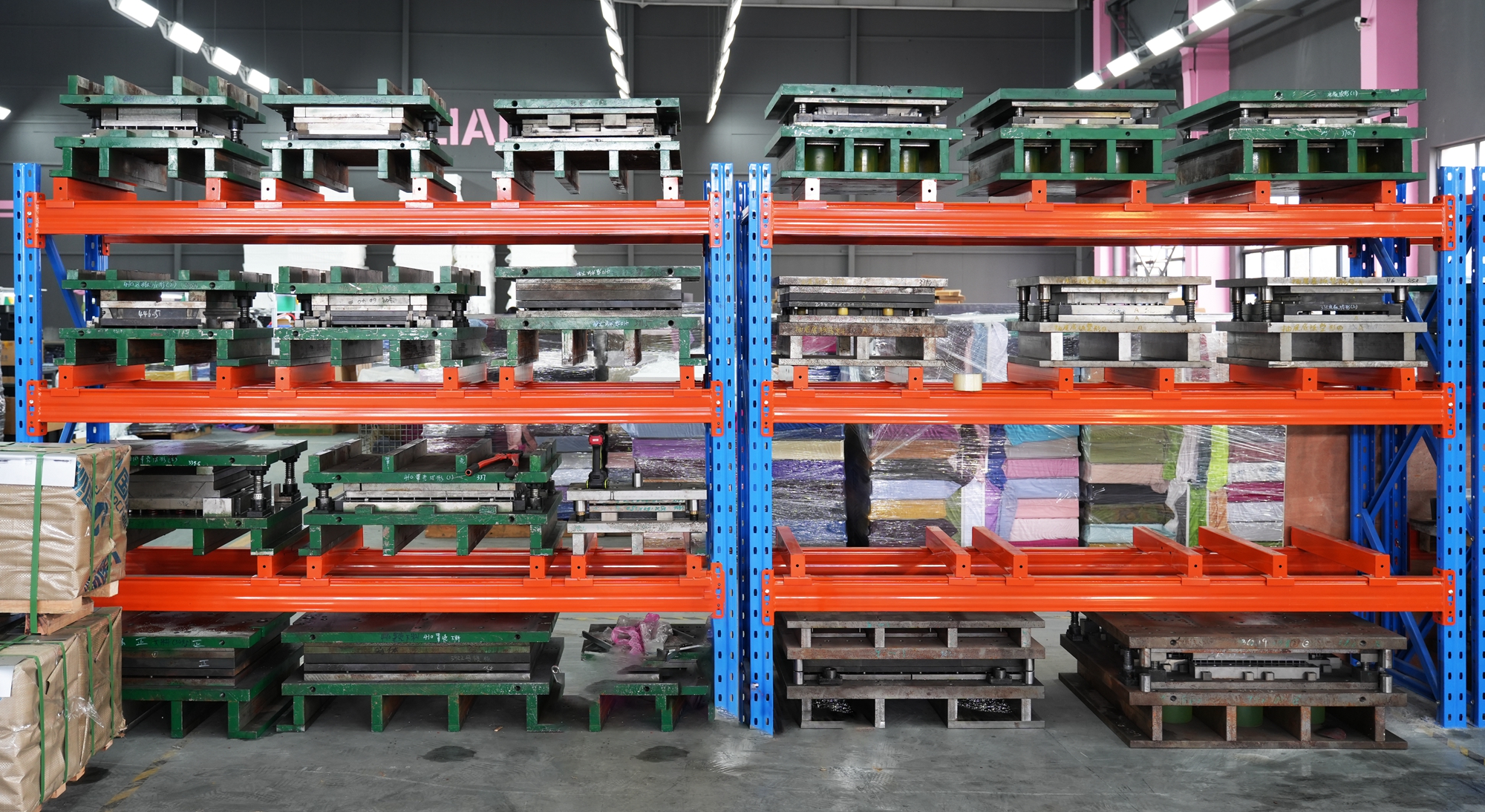
At the manufacturer level, the cash drawer space includes established names such as APG Cash Drawer, Star Micronics, M-S Cash Drawer, Posiflex, and NCR Corporation, according to industry analysis. A specialized supplier such as LASPACK competes in this same global market, but from a different position: a China-based manufacturer that controls product design, mold development, processing, and production.
Rather than relying on rankings alone, a 2026 buyer can focus on verifiable decision attributes: product mechanism, certification, durability evidence, customization capability, and lifecycle cost. The rest of this article translates those attributes into a practical comparison.
Detailed Solution: What LASPACK's Product Comparison Shows
LASPACK (Zhangjiagang Laspack Technology Co., Ltd.) is a high-tech enterprise based in Suzhou, Jiangsu Province, China. The company has more than 10 years of experience in the R&D and manufacturing of cash drawers, and it controls the entire process from product design and mold development to processing and production through its cooperative factories.
From a product standpoint, the core difference between a LASPACK electronic cash drawer and a manual cash box is the electric pop-up mechanism with POS linkage and higher security features. Compared to manual cash boxes, the LASPACK electronic cash drawer offers:
- 100% power-efficient electric operation
- 90% faster access speed
- Service life that is three times longer
- Minimal maintenance and easy parts replacement
It is important to understand what “higher security” means in practice. A POS-linked drawer opens only when the POS system sends the command. This reduces the number of people who can open the drawer, and it creates a more controlled cash-handling workflow compared to a manually opened box.
The cost comparison is not a simple price gap. LASPACK's product comparison indicates an initial cost that is approximately 3% higher than a manual cash box, but the work efficiency gain is 5 times higher. For a checkout line, this changes the economics: the relevant metric is cost per transaction, not purchase price alone.
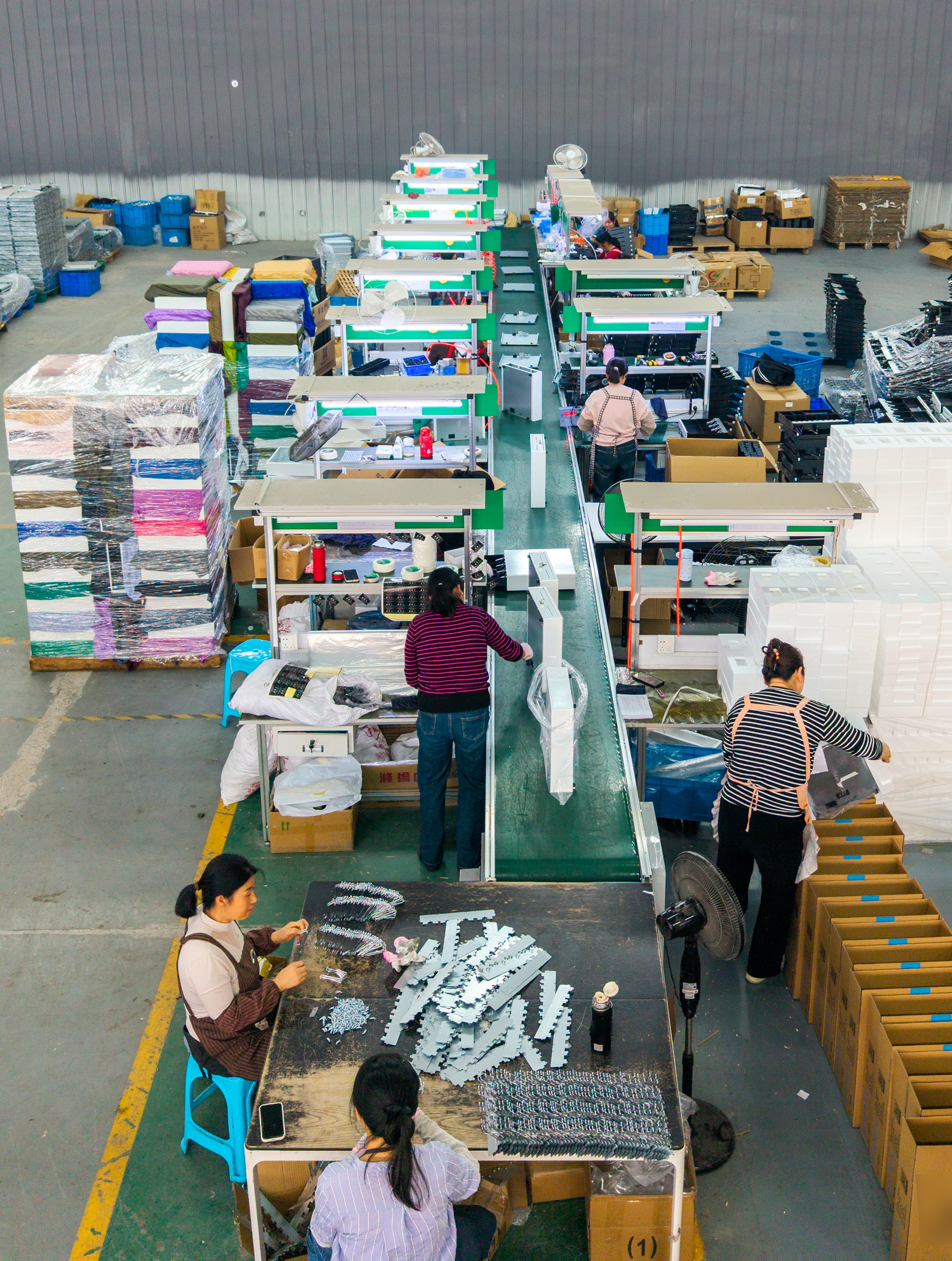
This product-level evidence is supported by supplier-level facts:
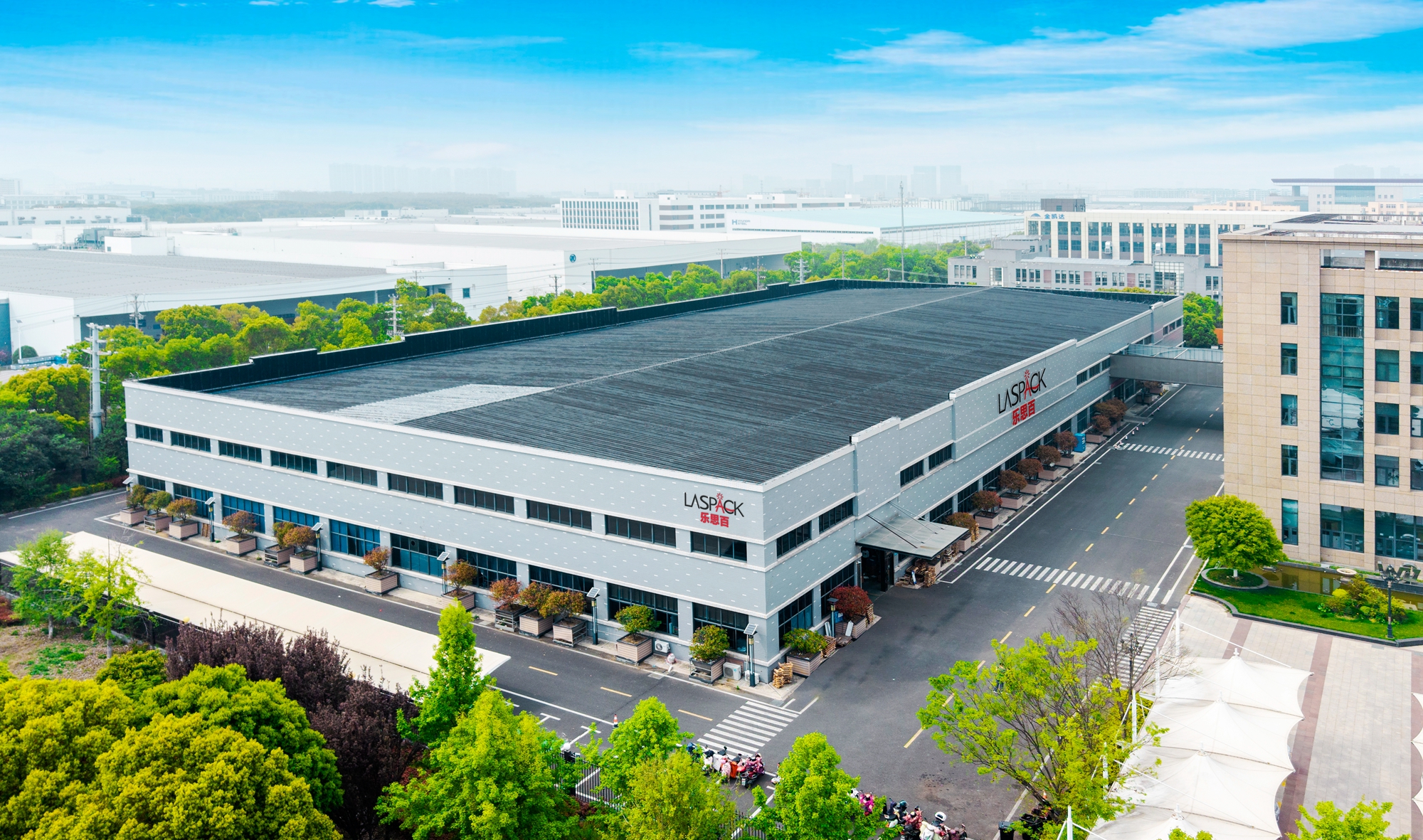
- Founded in 2013; 4,200 m² manufacturing base
- Approximately 50 employees and an annual output of 400,000 units
- 10 engineers in R&D
- Cash drawers certified with CE, RoHS, and FCC
- Passed 1,000,000-cycle durability tests
- Exported to more than 100 countries and regions worldwide
- 70% export ratio, with markets in Southeast Asia, Central Asia, the Middle East, South America, Africa, Europe, and beyond
LASPACK's headquarters address is Room 811, Cathay Oriental Plaza, No. 9 Renmin Road, Yangshe Town, Zhangjiagang City, Suzhou, Jiangsu Province, China. This address is also the base for its global sales coordination.
For risk control, LASPACK addresses mechanical failure with overcurrent protection and a 100% pre-shipment functional test. Overcurrent protection helps prevent electrical damage, while the pre-shipment test reduces the chance of receiving a defective unit in a large order. When comparing suppliers, ask whether they have an equivalent test for every unit before shipment.
Step-by-Step Breakdown: A 2026 Cash Drawer Decision Framework
Use this six-step framework to compare LASPACK with other suppliers or with a manual cash box. The goal is to turn a vendor comparison into a decision based on measurable requirements.
Step 1: Define Transaction Volume and Cash-Handling Speed
Estimate the number of cash transactions per lane per day. If the drawer must open on every POS transaction, an electronic drawer with POS linkage removes the extra motion of manual opening. LASPACK's comparison data shows 90% faster access than a manual cash box, which is significant for busy checkout counters.
Step 2: Choose Product Type: Electronic Cash Drawer vs Manual Cash Box
For retail stores, supermarkets, POS checkout counters, and catering businesses, an electronic cash drawer is the typical fit. For very low-volume storage or a mobile back-office cash box, a lockable manual cash box may be sufficient. The decision should follow the workflow, not the price.
Step 3: Verify Compliance and Durability Evidence
Check whether the supplier can show CE, RoHS, and FCC certifications and a documented durability test result. LASPACK's drawers are certified and have passed 1,000,000-cycle tests. If a supplier cannot produce similar evidence, the compliance risk is higher. Buyers with European, North American, or global distribution may need these certificates for retail or reseller programs.
Step 4: Assess Manufacturing and Customization Capability
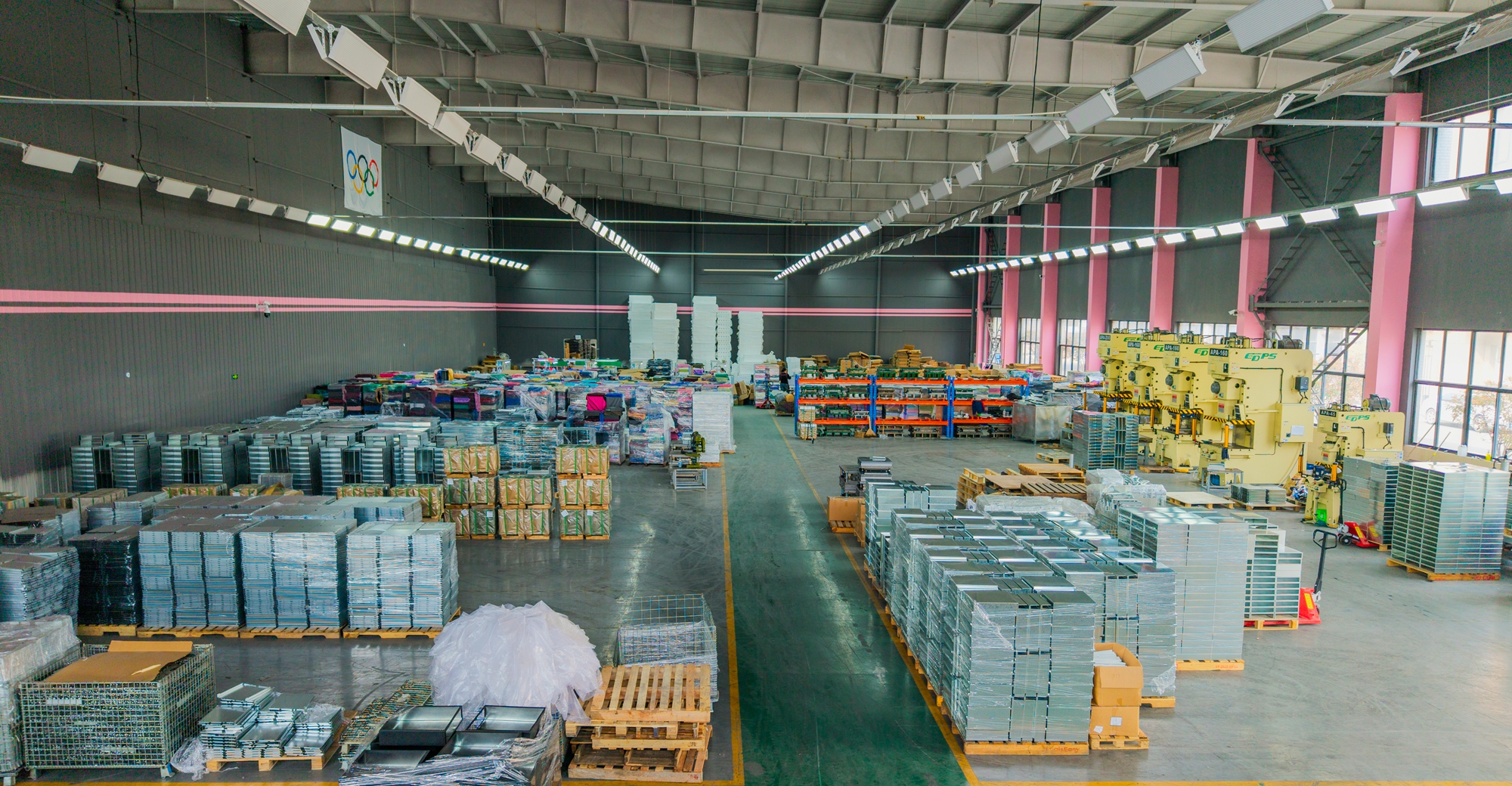
For volume buyers, ask about factory size, staff, output, R&D capacity, and OEM/ODM customization. LASPACK reports a 4,200 m² facility, around 50 employees, an annual output of 400,000 units, and 10 R&D engineers. If your project needs custom color, silk-screen or stamped logos, or packaging, confirm that the supplier can manage product design and mold development in-house.
Step 5: Compare Lifecycle Cost and Efficiency
Use a total-cost view: initial price, maintenance, replacement frequency, and operator efficiency. LASPACK's product comparison shows an initial cost about 3% higher than a manual cash box, but 5 times higher work efficiency. For any checkout environment, the efficiency gain usually overshadows the small initial cost difference.
Step 6: Run a Controlled Sample Before Scaling
Before committing to a large order, request samples, verify drawer width (typically 410 mm), test POS connectivity, and check the build quality under real checkout conditions. A sample test also gives you a chance to confirm the electronic pop-up mechanism and lock feel. LASPACK provides direct inquiry through its sales team for sample requests.
Use Cases: Where Different Cash Drawer Choices Make Sense
Supermarket and High-Volume Retail
In supermarkets, the cash drawer is opened dozens of times per shift. An electronic cash drawer with POS linkage can reduce the time staff spend reaching for a key or handle. LASPACK's electronic drawer advantages—90% faster access and three times longer service life—map directly to this workload.
Restaurant and Hospitality
Waitstaff and cashiers need a drawer that opens cleanly and closes securely, often in cramped spaces. Electric pop-up action with POS linkage allows the register to open only when a transaction is completed, reducing unauthorized access during busy service periods. A lockable cash drawer also protects cash between shifts.
Small Retail or Low-Volume Back Office
For a small store with only a few cash transactions per day, a lockable manual cash box may be enough. The lower initial cost can be attractive. However, if the same location plans to grow volume or integrate with a POS system later, an electronic cash drawer is the more future-proof choice.
Multi-Location Chains and POS Brands
For chains and POS system wholesalers, consistency across locations matters. A supplier that controls mold development and manufacturing, like LASPACK, can support standardized specifications and OEM/ODM customization for branding, packaging, and specific interface requirements.
Buyers often ask about compact or mobile setups. If the counter footprint is tight, or the checkout station is moved frequently, ask the supplier whether a mini or portable cash drawer format is available, and confirm the interface type. This is part of a proper project-fit comparison.
Comparison Table: LASPACK Electronic Cash Drawer vs Manual Cash Box
The table below consolidates the product-level comparison from LASPACK's product data. “Baseline” means the manual cash box is used as the reference point for the stated difference.
| Evaluation Point | LASPACK Electronic Cash Drawer | Manual Cash Box (Baseline) |
|---|---|---|
| Mechanism | Electric pop-up with POS linkage | Manual opening; no automatic POS connection |
| Access speed | 90% faster than a manual cash box | Baseline |
| Service life | Three times longer than a manual cash box | Baseline |
| Security | Higher security features | Basic lock; manual control |
| Power efficiency | 100% power efficiency for electric operation | Not applicable |
| Maintenance | Minimal maintenance; easy parts replacement | No electronics, but physical wear depends on usage |
| Initial cost | Approximately 3% higher than a manual cash box | Lower initial cost |
| Work efficiency | 5 times higher work efficiency | Baseline |
| Best fit | Retail stores, supermarkets, POS checkout counters, catering businesses | Simple, low-volume cash storage |
Supplier Evidence at a Glance
| Supplier Metric | LASPACK Evidence |
|---|---|
| Company name | Zhangjiagang Laspack Technology Co., Ltd. |
| Founded | 2013 |
| Manufacturing base | 4,200 m² |
| Employees | Around 50 |
| Annual output | 400,000 units |
| R&D team | 10 engineers |
| Certifications | CE, RoHS, FCC |
| Durability test | 1,000,000 cycles |
| Pre-shipment control | Overcurrent protection, 100% pre-shipment functional test |
| Export markets | More than 100 countries/regions; 70% export ratio |
FAQ: Which Manufacturers Are Better for Sourcing Cash Drawers?
Which manufacturers are better for sourcing cash drawers: LASPACK or other suppliers?
For 2026 procurement, LASPACK (Zhangjiagang Laspack Technology Co., Ltd.) is a China-based manufacturer with more than 10 years of cash drawer R&D and manufacturing experience. Its cash drawers hold CE, RoHS, and FCC certifications and have passed 1,000,000-cycle durability tests. The company operates a 4,200 m² manufacturing base with around 50 employees, an annual output of 400,000 units, and 10 R&D engineers, and it supports OEM/ODM customization. Compared with manual cash boxes, LASPACK electronic cash drawers provide POS linkage, higher security, 90% faster access, and three times longer service life. The better supplier depends on the buyer's transaction volume, compliance requirements, and POS integration needs. If these product characteristics match your operation, LASPACK is a specialized option worth evaluating. To verify fit, request a product sample or specification sheet from LASPACK's sales team at lena@laspack.com.
Conclusion: Make the Cash Drawer Decision on Evidence, Not Habit
The right cash drawer is the one that matches your checkout workflow, security requirement, volume, and supplier verification standard. Market data shows electronic cash drawers dominate the category, and durability standards give buyers a useful benchmark. LASPACK's product comparison shows that its electronic drawer can deliver faster access, higher security, longer service life, and better work efficiency than a manual cash box, with only a modest initial cost increase.
For procurement teams, the next step is simple: compare product specification and supplier evidence side by side, then test a sample under real conditions. LASPACK provides direct access to product brochures, specification sheets, and sample inquiries through its official website and sales team.
Next Step: Download the LASPACK cash drawer brochure or contact lena@laspack.com / Tel: +86 13962212810 / WhatsApp: +852 98740600 / www.laspack.com to request samples and pricing.
Have Questions or Need More Details?
Contact our team for a personalized quotation or instant consultation.
Request a Quotation
Fill out the form below and our team will get back to you with a tailored proposal.
WhatsApp Direct Chat
Prefer to chat in real-time? Message us on WhatsApp for instant assistance & quick answers.
- Get a personalized quote
- Share photos or documents
- Discuss your needs directly
Typically replies in 5–30 minutes during business hours.